Meditation Is Not One Practice: Attention, Stillness, and the Way of Tea
Meditation Is Not One Practice: Attention, Stillness, and the Way of Tea
Meditation is often presented as though it were a single practice with a single purpose: to relax, quiet the mind, or reduce stress. Yet the world’s contemplative traditions contain many forms of meditation, each shaped by a different intention. Some practices stabilize attention. Others cultivate compassion, examine the nature of experience, or help practitioners become more aware of their habitual responses.
A study published in Scientific Reports on August 29, 2026, offers a timely reminder that meditation is not one uniform state. Researchers measured brain activity, heart rate variability, skin conductance, and respiration in 35 highly experienced Tibetan Buddhist monks as they practiced concentrative, loving-kindness, and analytical meditation on emptiness.
The researchers found overlapping but distinct patterns across the three practices. Their observations suggest that different forms of meditation may engage attention, emotion, respiration, and autonomic activity in different ways.
The study does have important limitations. The monks completed the practices in a fixed sequence, meaning that fatigue, adaptation, or the effects of one meditation carrying into the next may have influenced the results. The research also cannot determine the spiritual meaning of the practices or prove that one method is superior to another.
Most importantly for our discussion, the study examined Tibetan Buddhist meditation. It did not examine Zen meditation, the Japanese Way of Tea, or the Inner Coherence Method™. Its value lies in the broader question it raises:
What are we actually practicing when we meditate?
Different practices cultivate different capacities
Concentrative meditation trains the practitioner to stabilize attention around a chosen object, such as the breath, a sound, or a visual point. When the mind wanders, attention is gently returned.
Loving-kindness meditation intentionally cultivates qualities such as goodwill, compassion, and care. Attention remains important, but the practice is also shaping an emotional and relational orientation.
Analytical meditation uses sustained contemplation to investigate a teaching or question. Rather than attempting to suppress thought, the practitioner examines experience carefully and repeatedly.
Zen practices also vary, but they commonly emphasize direct awareness, posture, disciplined presence, and an intimate encounter with experience as it unfolds. The purpose is not necessarily to produce relaxation. Stillness may reveal restlessness, resistance, clarity, or the patterns through which we construct our experience.
These distinctions matter because meditation should not be evaluated solely by whether it makes us feel calm. A practice may be teaching us to remain present, recognize a reaction, cultivate compassion, or see a familiar situation differently.
From meditation to Inner Coherence
This understanding has a direct connection with the Inner Coherence Method™.
Inner Coherence is not simply a relaxation method. Regulation is important, but it is not the final destination. Greater steadiness creates the internal space needed to observe what is happening, distinguish emotion from interpretation, reconnect with one’s values, and choose an aligned response.
A person can appear quiet while remaining internally conflicted. Conversely, someone can experience a difficult emotion while acting with clarity and coherence.
The deeper question is not only, “Am I calm?” It is also:
What am I noticing?
What quality am I cultivating?
What is this experience revealing?
What action is aligned with what I genuinely value?
In this sense, contemplative practice becomes preparation for life. The attention cultivated in stillness can influence how we speak, decide, respond, and relate to other people.
Chanoyu: attention expressed through action
On Saturday, September 26, Alchemy Joy will explore another expression of contemplative attention during An Evening of Tea and Stillness at the Dr. James Still Historic Office Site.
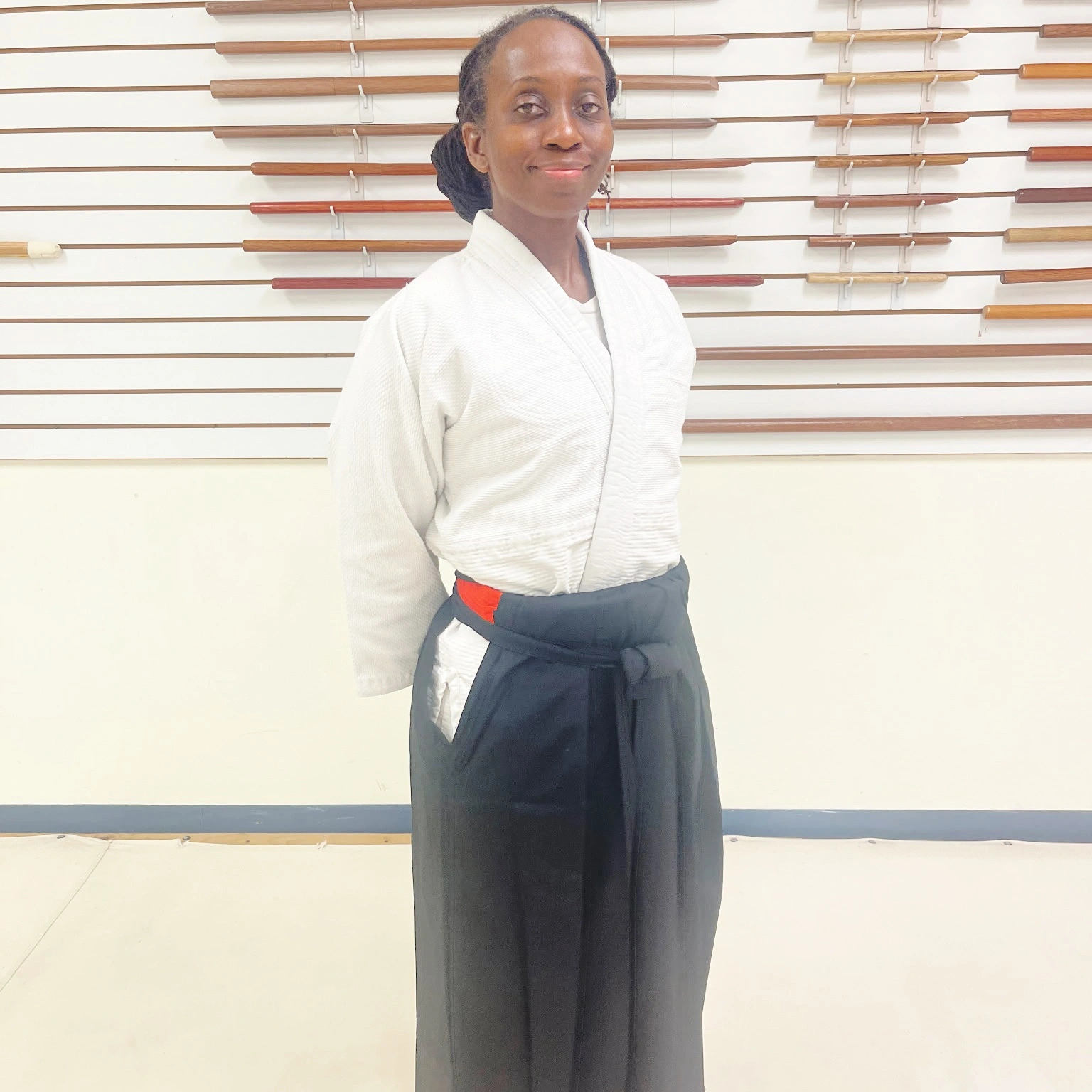
Sensei Patrick Bennett, a student of licensed Urasenke teacher Drew Sodo Hanson, will offer a semi-formal presentation of chanoyu, the Japanese Way of Tea. I will open the evening with a short Zen-style meditation before guests are served matcha.
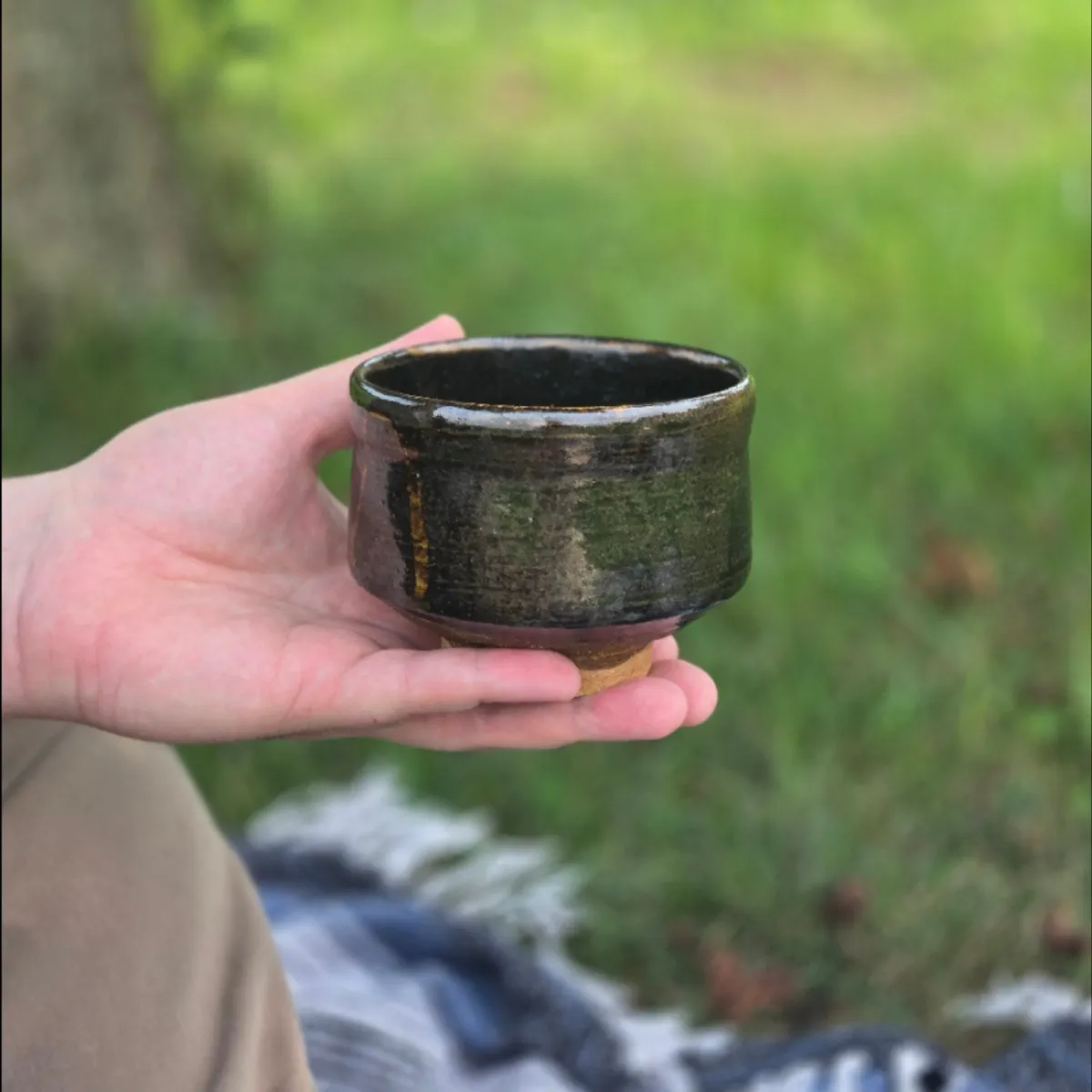
Chanoyu should not be reduced to a relaxation technique or described simply as “meditation with tea.” It is a culturally grounded practice with its own history, forms, utensils, aesthetics, and teacher lineages. Nevertheless, its careful movements can help us recognize how attention may be embodied through action.
Within the Way of Tea, presence is expressed through preparation, hospitality, seasonal awareness, movement, and consideration for the guest. Stillness is not inactivity. It becomes the quality with which an action is performed.
The placement of an object matters. The handling of a bowl matters. The meeting between host and guest matters. An ordinary act becomes a disciplined opportunity to be fully present.
What are you practicing?
The recent meditation study does not tell us which contemplative tradition to follow. It does, however, challenge the assumption that all meditation techniques are interchangeable.
Before beginning a practice, we might ask:
Am I trying to stabilize attention, cultivate compassion, investigate experience, become less reactive, or prepare myself for aligned action?
The answer may change from one season of life to another. What matters is practicing with intention and understanding what the method is designed to cultivate.
Meditation is not one practice. Stillness is not one experience. When approached with discernment, both can help us participate in life with greater presence, coherence, and care.
An Evening of Tea and Stillness
Saturday, September 26, 2026 at 7:00 p.m.
Annex Building, Dr. James Still Historic Office Site
211 Church Road, Medford, New Jersey
$20 per person | Limited seating