Historic Places, Culture and Healing | Alchemy Joy
Historic Places as Living Repositories of Culture and Healing
Historic homes are more than preserved buildings. They hold memories, stories, traditions, and evidence of the people who lived and worked within them. Their rooms, landscapes, objects, and architecture connect individual lives to a larger history.
When these places are thoughtfully preserved and actively used, they can become living classrooms—spaces where history is remembered, culture is shared, and new experiences of reflection and connection can take root.
Heritage, Memory, and Well-Being
Research increasingly suggests that engaging with historic environments may contribute to both personal and communal well-being.
A 2025 evidence review commissioned by Historic England examined academic and professional literature published between 2019 and 2024. It found that participating in heritage activities can strengthen a sense of belonging, continuity, identity, and connection to place. Heritage engagement may also encourage social cohesion and intergenerational connection.
An earlier scoping review of heritage and well-being research examined 75 studies. The activities represented in the research included museum programs, gardening at historic sites, tours, discussions, heritage-inspired arts, and opportunities to handle historical objects. Several studies reported improvements in confidence, social connection, positive emotion, sense of place, and belonging.
The evidence does not suggest that historic places are inherently therapeutic or that visiting one automatically produces healing. Rather, it shows that the ways people engage with history, culture, landscape, and one another within these environments can create meaningful conditions for reflection and well-being.
Historic places are especially powerful when their complete stories are preserved. Their importance does not rest solely in their architecture. It is also found in the lives, struggles, knowledge, creativity, and relationships associated with them.
The Living Legacy of Dr. James Still
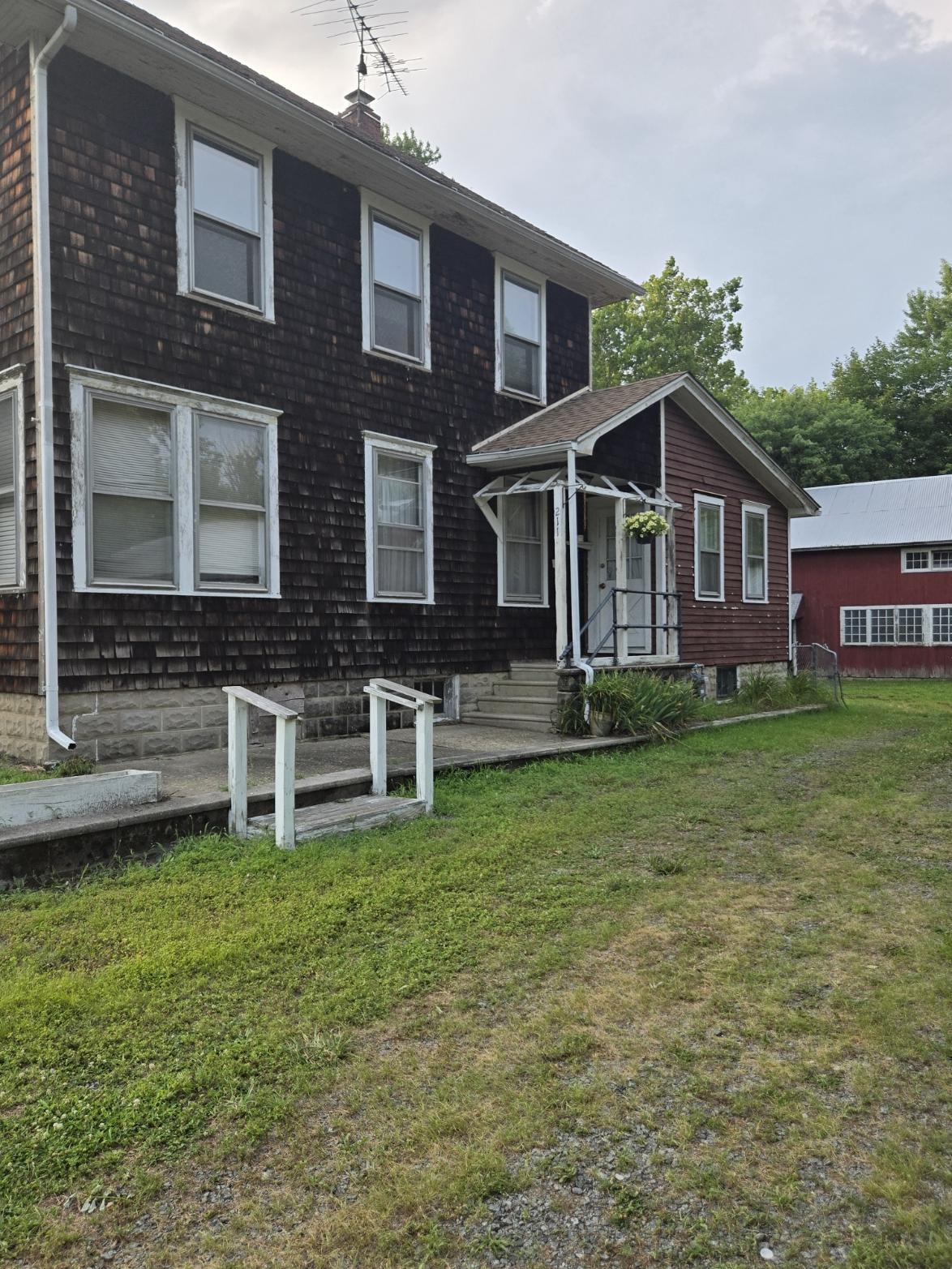
This understanding shapes how Alchemy Joy approaches its work at the Annex Building of the Dr. James Still Historic Office Site at 211 Church Road in Medford, New Jersey.
Dr. James Still was a respected nineteenth-century herbalist and healer who became widely known as the “Black Doctor of the Pines.” His achievements are especially significant because he pursued knowledge and built a successful healing practice despite the racial and educational barriers he may have faced in his lifetime.
The Annex Building and its surrounding grounds provide a meaningful setting for Alchemy Joy’s yoga, qigong, meditation, contemplative study, and cultural programming. These activities do not replace the site's historical purpose. They offer ways for people to gather thoughtfully in a place already connected with knowledge, perseverance, nature, and healing.
In this sense, preserving a historic place means more than maintaining its physical structure. It also means keeping its stories visible, inviting people to learn, and creating opportunities for the site to remain connected to the life of its community.
An Evening of Tea and Stillness
On Saturday, September 26, 2026, at 7:00 p.m., Alchemy Joy will present a Japanese Tea Ceremony: Chanoyu in the Urasenke Tradition at the Annex Building.
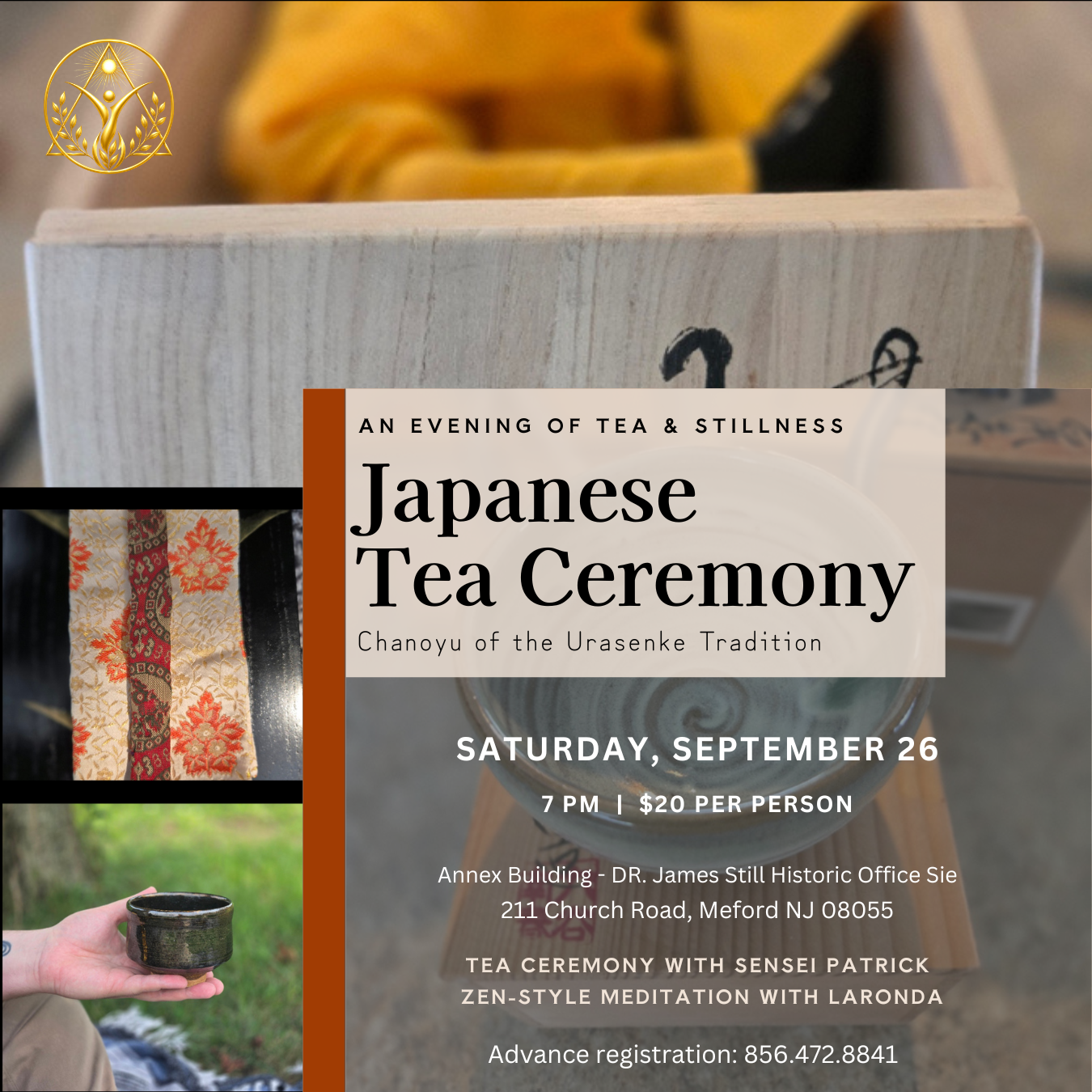
Sensei Patrick Bennett, a student of licensed Urasenke teacher Drew Sodo Hanson, will offer a semi-formal presentation of chanoyu—the Japanese Way of Tea—in the Urasenke tradition. Thoughtfully adapted to the setting, the presentation will preserve the values of mindfulness, hospitality, and seasonal beauty found at the heart of the Way of Tea.
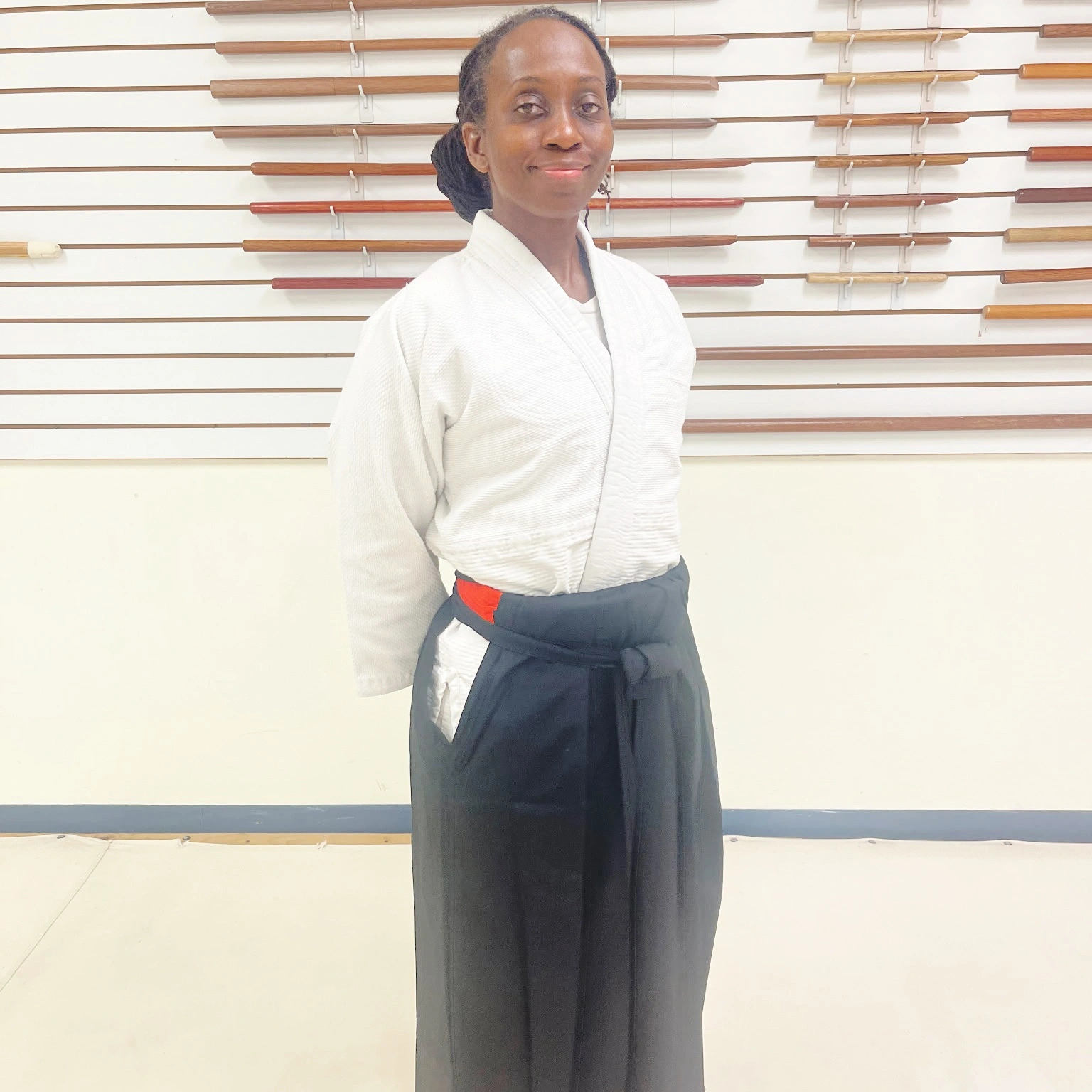
LaRonda Koffi will begin the evening with a short Zen-style meditation before guests are served matcha.
Admission is $20 per person, and seating is limited. Advance registration is available by calling 609-472-8841 or emailing [email protected].
This gathering is part of a developing series of cultural and contemplative events at the Annex Building. Future programs will introduce additional arts, practices, traditions, and ideas that encourage cultural learning, reflection, wellness, and connection. Each event will be approached with respect for the tradition’s origins and attention to the teachers, lineages, and communities from which it comes.
View a short video tour of the Annex Building
Visit and Learn More
Visitors are also encouraged to explore the Dr. James Still Historic Office and Education Center, located at 210 Medford–Mt. Holly Road in Medford.
The Center preserves and interprets the life and work of Dr. James Still while providing opportunities to learn about the Still family and their extraordinary legacy.
Visit the Dr. James Still Historic Office and Education Center website for visitor information, educational resources, and upcoming programs.
When we visit, preserve, and thoughtfully gather within historic places, we help their stories remain active. They become more than reminders of the past. They become places where memory informs the present—and where culture, knowledge, and community can continue to grow.